A New Era at Apple: Tim Cook Steps Aside as John Ternus Takes Charge
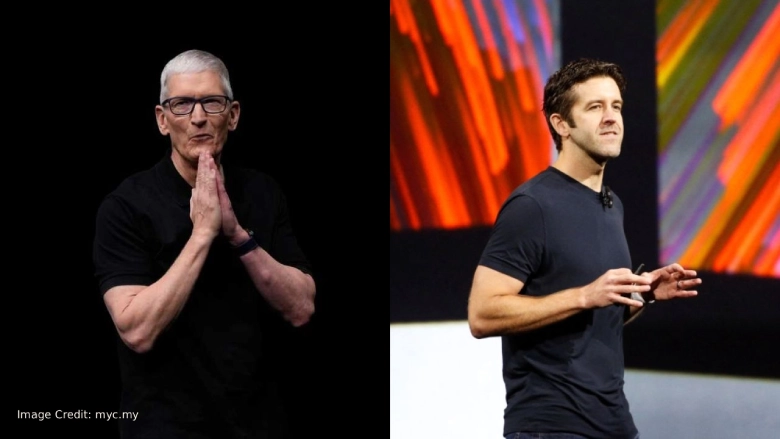
The end of an era at Apple Inc. has arrived quietly but significantly. After steering the tech giant through one of the most profitable periods in corporate history, Tim Cook is stepping down as CEO, handing over leadership to longtime hardware chief John Ternus.
Cook, 65, will officially transition out of the CEO role on September 1, moving into the position of executive chairman. The leadership reshuffle mirrors similar moves by industry leaders like Jeff Bezos and Reed Hastings, who also stepped back after landmark tenures. As part of the shift, current chairman Arthur Levinson will relinquish his role but remain on Apple’s board.
In a heartfelt statement, Cook described his time leading Apple as “the greatest privilege” of his life, reflecting on the extraordinary team and culture he helped nurture. His successor, Ternus, expressed gratitude and a strong commitment to continuing Apple’s mission. Having spent 25 years at the company, Ternus has played a key role in developing core products like the iPhone, iPad, and Mac, credentials that made him a natural choice to lead.
Cook’s departure comes at a crucial moment. The rise of artificial intelligence is reshaping the tech industry, marking the most significant shift since Steve Jobs introduced the first iPhone in 2007. While competitors have surged ahead, Apple has faced criticism for its slower rollout of AI-powered features. Earlier this year, the company even partnered with Google to enhance Siri’s capabilities, signaling a strategic pivot.
Despite these challenges, Cook’s legacy is undeniable. When he took over in 2011, shortly before Jobs’ passing, Apple was valued at around $350 billion. Under his leadership, the company became the first to reach $1 trillion, then $2 trillion, and eventually $3 trillion in market value. Today, it stands at approximately $4 trillion, a staggering rise fueled largely by the global success of the iPhone.
Yet comparisons to Jobs never fully faded. While Cook excelled in operations and global supply chain management, skills honed during his time at IBM and Compaq where critics often noted the absence of a groundbreaking innovation on the scale of the iPhone. Products like the Apple Watch, AirPods, and Vision Pro found success, but none redefined the industry in the same way.
Still, Cook expanded Apple’s influence beyond products. In 2014, he publicly came out as gay, a landmark moment for LGBTQ+ representation in corporate leadership. He also navigated complex geopolitical challenges, including U.S.-China trade tensions under Donald Trump, while maintaining Apple’s global supply chain and profitability.
As Ternus steps in, the focus shifts to the future, particularly Apple’s position in the rapidly evolving AI landscape. The transition marks not just a change in leadership, but a defining moment for one of the world’s most influential companies.