Beijing Summit Shaken: Iran Conflict and Oil Volatility Upend Trump’s China Visit
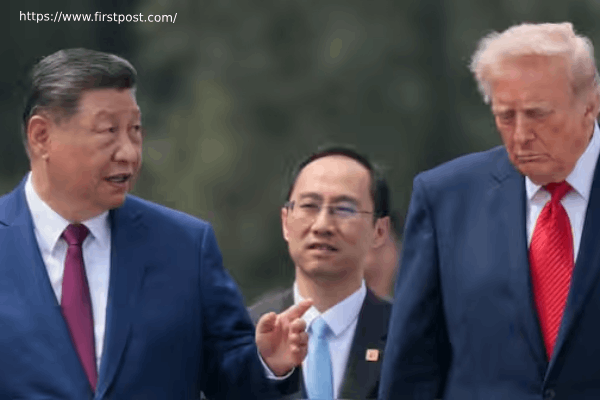
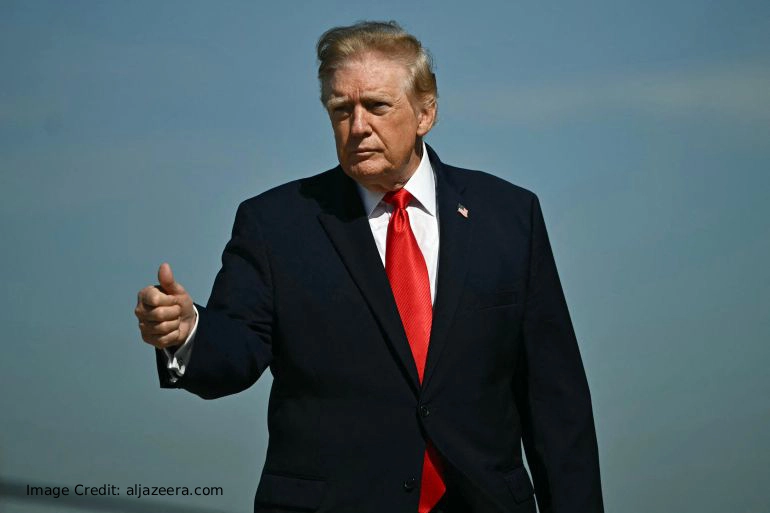
U.S. President Donald Trump arrived in Beijing on Thursday for a high-stakes summit with President Xi Jinping, a visit heavily overshadowed by the escalating U.S.-Israeli war with Iran and a deepening global energy crisis.
This trip marks the first time a U.S. leader has visited China since 2017. While the White House initially signaled that trade and the ongoing “tariff truce” would be the primary focus, the stalled peace talks in the Middle East have forced the Iran conflict to the top of the agenda.
Despite a tenuous ceasefire that took effect over a month ago, diplomatic efforts have hit a wall. Iran has demanded an end to the U.S. blockade of its ports and war reparations – demands President Trump recently dismissed as “garbage.” Meanwhile, Washington and Israel insist that Tehran must completely dismantle its nuclear program and relinquish its “chokehold” on the Strait of Hormuz.
The economic consequences are being felt worldwide. With Iran controlling the Strait of Hormuz, a waterway through which 20% of the world’s oil and LNG flowed before the war began on February 28, global supply chains for fertilizers and petrochemicals have been upended. In the U.S., inflation jumped to 3.8% in April, the highest since 2023, driven largely by a nearly 18% spike in energy costs.
President Trump is expected to pressure President Xi to use China’s leverage as a major buyer of Iranian oil to force Tehran back to the negotiating table. U.S. Secretary of State Marco Rubio, speaking from Air Force One, emphasized that any Chinese support for Iran would be “detrimental” to U.S.-China trade relations.
However, China has its own concerns. While Beijing agreed that no country should charge “tolls” for passage through the Gulf, it continues to facilitate the movement of oil through the region via specialized shipping deals.
As the Pentagon estimates the war’s cost has already surged to $29 billion, the pressure is mounting on the Trump administration to secure a breakthrough before the upcoming November midterm elections. For now, the world watches as the leaders of the two largest economies attempt to navigate a conflict that is rapidly reshaping global alliances.