

Raúl Castro Indicted by U.S. Over 1996 Brothers to the Rescue Shootdown
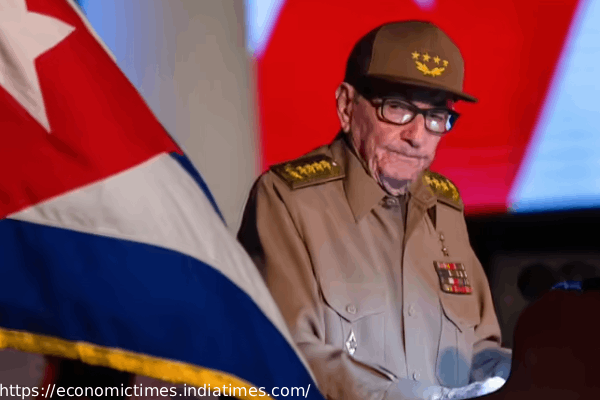
For more than three decades, federal prosecutors in Miami held onto a secret: a drafted indictment against one of the most powerful men in the Caribbean.
On Wednesday, that decades-long pursuit finally culminated in historic action as the U.S. Justice Department announced criminal charges against 94-year-old former Cuban President Raúl Castro. The indictment focuses on Castro’s pre-presidency role as Cuba’s defense minister, specifically alleging that he ordered the notorious 1996 shootdown of two unarmed civilian aircraft. The planes belonged to the Cuban-American exile humanitarian group Brothers to the Rescue.
The tragic assault, carried out by two Cuban MiG fighters in international airspace, resulted in the deaths of four individuals, three of whom were American citizens. Acting Attorney General Todd Blanche announced the charges during a ceremony in Miami honoring the victims—pointedly scheduled on the day Cuban exiles celebrate Cuba’s independence day. Castro now faces federal charges of conspiracy to kill U.S. nationals, destruction of an aircraft, and four counts of murder. He is not currently in U.S. custody.
The legal crusade against Castro began in the early 1990s, fueled by the successful U.S. prosecution of Panamanian dictator Manuel Noriega. Early investigations suggested that Castro and other Cuban officials accepted millions from Colombian cartels to protect drug shipments. However, the initial momentum stalled after leaks to the media.
The investigation intensified with renewed fury following the 1996 tragedy. The FBI successfully dismantled “La Red Avispa” (the Wasp Network), a sophisticated Cuban spy ring that had infiltrated Miami’s anti-Castro community and the Brothers to the Rescue organization. Prosecutors revealed that the 1996 shootdown was a calculated, pre-planned homicide designed to intimidate dissidents. Spies had alerted the Cuban military of the flight path and ensured a high-profile asset was kept off the targeted planes.
While a 2000 trial convicted five Cuban spies, and subsequent indictments targeted the MiG pilots, the pursuit of Castro himself repeatedly stalled due to shifting political priorities. Outrage peaked in 2014 when spy ring leader Gerardo Hernandez was returned to Cuba in a prisoner swap – a move former U.S. Attorney Guy Lewis described as “spitting in the face” of the victims’ families.
The prisoner exchange reignited the determination of legal advocates and exile groups. A detailed 2016 prosecution memo eventually made its way to top Trump administration officials, including Secretary of State Marco Rubio, paving the final path toward Wednesday’s announcement.
Though Castro remains at large, the indictment offers profound symbolic closure to a generation of Cuban Americans. For families who have spent 30 years mourning the sky-high murders of their loved ones, the U.S. government has finally sent an unmistakable message: the books on the Castro regime were never truly closed.
Most Popular Post
-

September 15, 2026
Exploring Luxury Living in Abu Dhabi: From Reem Island to Wadeem Gardens -

September 4, 2026
The Hidden Costs Of Buying A “Move-In Ready” Home -
-

August 24, 2026
Why Some Realtors Get Busy but Never Get Ahead