U.S. Housing Market Slows Down as High Rates Affect Buyers and Builders
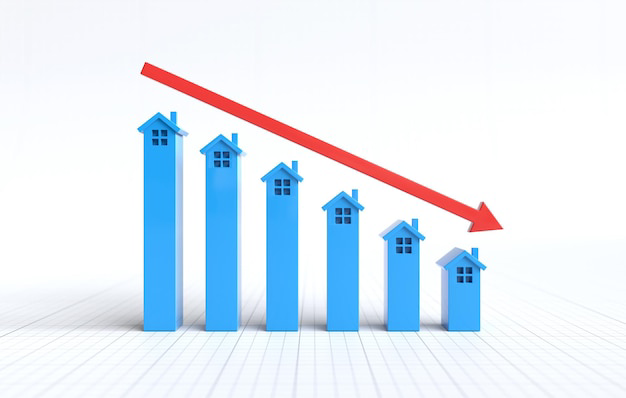
The United States housing market is slowing down as high mortgage rates and economic uncertainty make it harder for people to buy homes.
According to recent data reported by Reuters, confidence among home builders has dropped to its lowest level in seven months. Builders are increasingly concerned that rising loan costs and financial pressure are reducing the number of qualified buyers in the market.
At the same time, home sales have fallen to a nine-month low, showing a clear slowdown in housing activity. Many potential buyers are choosing to wait, as monthly mortgage payments have increased significantly with interest rates staying above 6%. This has reduced purchasing power, especially for middle-income households.
High costs are also affecting builders. The price of construction materials, transportation, and labor continues to rise, making it more expensive to complete new housing projects. As a result, some developers are delaying new launches or scaling back their plans.
Another key issue is limited housing supply in certain areas. While demand has slowed, there is still a shortage of affordable homes in many parts of the country. This imbalance is keeping property prices relatively high, even as sales decline.
For buyers, affordability remains the biggest challenge. First-time buyers are especially affected, as higher home prices combined with elevated loan rates make it difficult to enter the market. Many are now turning to rental options or postponing their homeownership plans.
The broader economy is also influencing the market. With ongoing concerns about inflation, job security, and financial stability, people are becoming more cautious about making large investments like buying a home.
Real estate investors are also taking a more careful approach. Instead of aggressive buying, many are focusing on safer investments and waiting for clearer signals from the economy and interest rate trends.
Despite the current slowdown, some experts believe the market could improve later in the year if interest rates begin to fall. Lower borrowing costs could bring buyers back into the market and boost overall activity.
Additionally, government policies and incentives aimed at improving housing affordability may play a role in supporting recovery. However, the timing and impact of such measures remain uncertain.
As 2026 progresses, the U.S. housing market is expected to remain in a cautious phase. Future demand will largely depend on how interest rates, inflation, and economic conditions evolve in the coming months.