Will Virtual Property Tours Replace Traditional Showings?
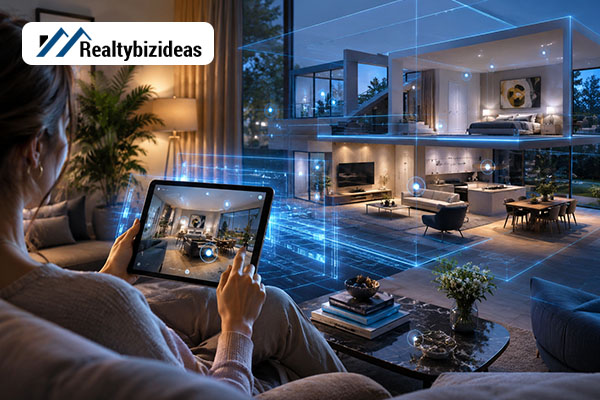
A few years ago, the idea of buying a home without physically stepping inside it sounded impossible. Today, buyers are exploring luxury apartments, family homes and investment properties from their phones while sitting miles away. With just a few clicks, they can walk through living rooms, inspect kitchens and even visualize furniture placement using virtual tours.
The real estate industry is changing faster than ever, and technology is leading the transformation. Virtual property tours are no longer just an “extra feature” added to listings. They have become one of the biggest tools influencing buyer decisions, agent marketing strategies and property sales. But this raises an important question – will virtual property tours completely replace traditional showings?
The answer is more complex than a simple yes or no.
The Rise of Virtual Property Tours
Virtual property tours gained massive popularity during the pandemic when physical visits became difficult. What started as a temporary solution quickly turned into a permanent marketing strategy for real estate professionals. Buyers realized they could save time by filtering properties online before scheduling in-person visits, while agents discovered that virtual tours generated more engagement than static photos.
Today’s virtual tours are far more advanced than basic image slideshows. Many listings now include:
- 360-degree walkthroughs
- Interactive floor plans
- Drone videos
- Virtual staging
- Augmented reality features
- Live video tours with agents
These tools create a more immersive experience, helping buyers understand a property better before visiting it physically.
Why Buyers Love Virtual Tours
One of the biggest reasons virtual tours are becoming so popular is convenience. Buyers no longer need to spend entire weekends traveling from one property to another. Instead, they can shortlist homes from anywhere at any time.
For international buyers, investors and busy professionals, virtual tours are especially valuable. A buyer living in another city can explore multiple properties in a single day without traveling. This speeds up the decision-making process and reduces unnecessary property visits.
Virtual tours also reduce pressure. During physical showings, some buyers feel rushed or distracted. A virtual experience allows them to revisit rooms, compare layouts and carefully analyze details at their own pace.
Another major advantage is transparency. High-quality virtual tours often provide a more realistic understanding of a property compared to heavily edited photographs. Buyers can better understand room sizes, lighting and space flow, helping them make more informed decisions.
The Benefits for Real Estate Agents
Real estate agents are also benefiting from this digital shift. Virtual tours help listings stand out in crowded markets where buyers scroll through hundreds of properties online.
Properties with virtual tours often receive:
- More online engagement
- Higher-quality leads
- Longer viewing times
- Faster buyer inquiries
- Better social media performance
Instead of spending time on multiple low-interest showings, agents can focus on serious buyers who have already explored the property virtually. This improves efficiency and saves valuable time.
Virtual tours also strengthen an agent’s brand image. Modern buyers expect technology-driven experiences, and agents who adapt quickly appear more professional and innovative.
Why Traditional Showings Still Matter
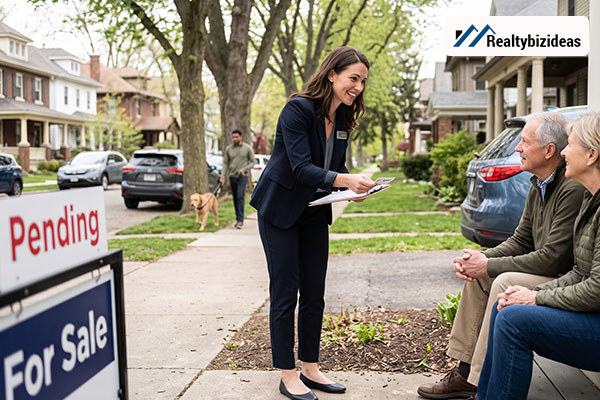
Despite the growth of virtual tours, traditional property showings still offer something technology cannot fully replace; emotional connection.
Buying a home is one of the biggest financial and emotional decisions people make. Buyers want to feel the atmosphere of the property, experience the neighborhood and notice details that cameras may miss. The smell of a home, natural airflow, surrounding noise and overall energy are difficult to capture digitally.
Many buyers also use physical visits to imagine their daily life inside the property. Walking through rooms creates a personal connection that virtual experiences cannot completely replicate.
There is also the issue of trust. Some buyers worry that virtual tours may hide flaws or make spaces appear larger than they actually are. In-person showings provide reassurance before making major commitments.
For luxury homes especially, physical experiences remain highly important. Premium buyers often expect private tours, face-to-face discussions and personalized experiences before finalizing purchases.
The Future Is Hybrid, Not Replacement
Rather than replacing traditional showings, virtual tours are likely to transform the entire buying process. The future of real estate is moving toward a hybrid model where digital experiences and physical visits work together.
In this new approach:
- Buyers discover properties online
- They narrow options through virtual tours
- Serious buyers schedule physical visits
- Final decisions happen after in-person experiences
This hybrid process saves time for everyone involved while still preserving the emotional value of traditional showings.
Technology will continue to improve as well. Artificial intelligence, virtual reality headsets and augmented reality tools may create even more immersive property experiences in the future. Buyers may soon customize wall colors, furniture styles and room layouts during virtual tours.
However, no matter how advanced technology becomes, real estate will always involve human emotions, trust and personal experiences. People are not just buying walls and floors; they are buying comfort, memories and future lifestyles.
Final Thoughts
Virtual property tours are changing the real estate industry by making the process faster and more convenient. However, traditional showings are still important because they help build buyer confidence. The future of real estate will combine new technology with the personal touch of in-person visits.
If you’re passionate about real estate and would like to share your insights, we invite you to submit a guest post to Realty Biz Ideas. We welcome contributions from those eager to share their knowledge and perspectives!