

What Buyers Notice in the First 30 Seconds (And It Isn’t What You Think)
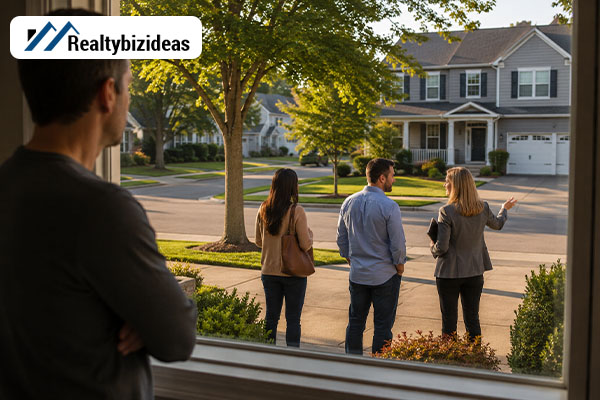
A few years ago, a friend of mine decided to sell his house.
Like most homeowners, he spent weeks getting everything ready. The walls were repainted. The garden was cleaned up. He even replaced a couple of light fixtures that had been bothering him for years.
By the time the first buyers arrived, he was convinced they would walk straight into the kitchen and start admiring all the improvements.
That didn’t happen. Instead, they stood in the driveway talking about the street.
Was it busy during the evenings?
Did many children play outside?
How noisy was it during weekends?
My friend was standing inside looking through the window, wondering why nobody seemed interested in the upgrades he had spent money on.
Later he laughed about it.
“The first thing they looked at wasn’t even my house.”
That story came back to me recently because it happens more often than people think.
The House Tour Starts Before the Front Door
Most people imagine a showing begins when buyers walk inside. Not really. The process usually starts much earlier. Sometimes it begins when buyers turn onto the street.
- They notice parked cars.
- They notice nearby homes.
- They notice how the neighborhood feels.
One buyer might see a quiet street and immediately love it. Another buyer might find the same street too quiet. That’s the funny thing about real estate.
People are often reacting to things that never appear in a property description.
Buyers Are Looking for Their Future Life
A family member bought a house several years ago. After moving in, I asked what made them choose it. I expected to hear something about the layout or the kitchen.
Instead, they talked about a walking trail nearby. Apparently, they had spent almost as much time exploring the neighborhood as they had touring the house.
At first that seemed strange. Then it made perfect sense. People are not only buying bedrooms and bathrooms. They’re buying morning routines. They’re buying places where they’ll walk their dog. They’re buying streets where their kids might ride bicycles.
The house matters. But life outside the house matters too.
The Questions Nobody Asked Years Ago
One real estate agent told me a buyer recently asked about internet reliability before asking about the roof.
Another wanted to know if food delivery drivers had trouble finding the neighborhood. A different buyer was interested in where the sun hit the backyard during the afternoon.
Years ago those questions would have sounded unusual. Today they’re fairly normal.
Our lives have changed. People work differently. Spend time differently. Use their homes differently.
The questions changed because everyday life changed.
Small Things Have a Way of Sticking
Ask somebody about a house they toured last month. They might forget the square footage. They might forget the exact asking price. But they’ll often remember small details.
- A huge tree in the front yard.
- A strange smell in the hallway.
- A beautiful view from the kitchen window.
- A noisy road nearby.
It’s funny what stays in people’s minds. I remember talking to a homeowner who couldn’t understand why buyers weren’t making offers. The house looked great. The price was reasonable.
Eventually an agent pointed out something simple. The front door stuck whenever somebody tried opening it. That tiny issue created a bad first impression. Not a major problem. Just an awkward first thirty seconds.
Why Real Estate Feels So Personal
A homeowner I spoke with last year shared a story that stuck with me. He had two buyers tour his property on the same afternoon. The first couple spent most of their time measuring walls and discussing furniture placement. They seemed serious. Asked plenty of questions. Took notes.
The second buyer walked through the house much faster. At one point, she stood near the kitchen window for a few seconds and looked outside. That was it.
A few days later, guess who made the offer? Not the couple with the measuring tape. The woman who spent half her visit staring out the kitchen window.
When the homeowner eventually met her, he asked what made her choose the house.
Her answer surprised him. She said the view reminded her of her grandmother’s home. There wasn’t a financial reason behind it. There wasn’t a complicated explanation.
Something about that moment simply felt familiar. Stories like that happen all the time.
People remember strange things.
- A front porch swing.
- A giant oak tree.
- The sound of birds in the backyard.
- The smell of fresh coffee coming from a nearby café.
Years from now, nobody will remember the exact dimensions of a bedroom. But they might remember how comfortable they felt standing in it. That’s why real estate conversations are often more interesting than market reports.
Every Buyer Has Their Own Story
Numbers explain what happened. Stories usually explain why.
That may also explain why so many people enjoy reading articles written by agents, investors, and homeowners who share real experiences. Through real estate guest posting, professionals often share stories that buyers and sellers immediately relate to because they sound familiar.
The same thing happens on websites that welcome a real estate blog guest post. Readers often connect more with a simple story about a house than they do with pages of statistics.
For those who enjoy sharing those kinds of observations, RealtyBizIdeas gives industry professionals an opportunity to contribute experiences, insights, and stories from the real world of real estate.
And honestly, that might be why housing remains so interesting. Every property has a story. Every buyer has a different reason for saying yes.
And most of those reasons have very little to do with square footage.
Most Popular Post
-

September 15, 2026
Exploring Luxury Living in Abu Dhabi: From Reem Island to Wadeem Gardens -

September 4, 2026
The Hidden Costs Of Buying A “Move-In Ready” Home -

-

August 24, 2026
Why Some Realtors Get Busy but Never Get Ahead