

Iran Protests: Bodies Emerge Amid Internet Blackout
A grim silence hangs over southern Tehran, broken only by cries of grief and disbelief. In shaky videos that slipped through Iran’s near-total internet blackout, anguished families can be seen gathering around black body bags, desperately searching for missing loved ones. These haunting scenes, filmed earlier this week at the Kahrizak Forensic Medical Center, offer a rare and chilling glimpse into the human toll of Iran’s latest crackdown on dissent.
Inside makeshift morgues and warehouse-like rooms, dozens of bodies lie in rows, some on metal tables, others on bare floors. Outside, more bodies are lined up along walkways and scattered across the courtyard, just feet away from parked cars. Families crowd around monitors displaying photographs of the dead, hoping to recognize a familiar face. According to information shared by the Human Rights Activists News Agency (HRANA), around 250 bodies are believed to be at the facility.
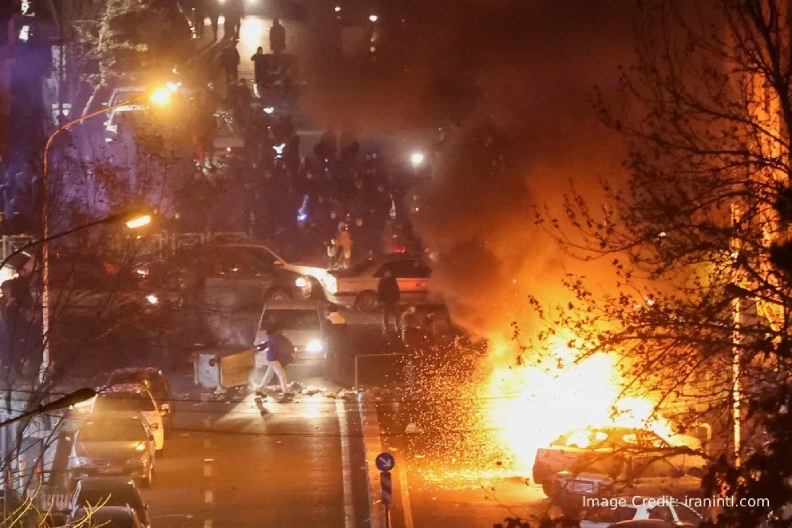
The deaths come amid mass anti-government protests sparked by worsening economic conditions, demonstrations that now pose one of the most serious challenges to Iran’s leadership in years. As the unrest spread, authorities imposed a sweeping internet shutdown, limiting the flow of information and leaving the world to piece together events from leaked footage and eyewitness accounts.
Iranian state media has acknowledged the scenes at the forensic center but insists most of the dead were “ordinary people,” not protesters. Officials blame the deaths on “rioters,” claiming violence came from within the crowds themselves. In one state-broadcast video, grieving families are shown telling reporters that their relatives were not protesters and even supported the government.
But human rights groups strongly reject that narrative. They say the evidence points to excessive and often indiscriminate use of force by security forces. Witnesses in Tehran told international media that armed personnel fired military rifles into crowds. Others described protesters being shocked with Tasers and beaten until unconscious.
Authorities maintain they have shown “maximum restraint,” and President Masoud Pezeshkian has attempted to draw a line between peaceful demonstrators and what he calls violent agitators. Yet rights groups argue that, in practice, no such distinction exists. Any large protest, they say, is treated as a direct threat.
Since late December, more than 500 protesters including children have reportedly been killed, with over 10,000 arrested. As Iran enters its sixth day of internet blackout, the true scale of the tragedy remains hidden. But the images from Kahrizak tell a devastating story: a nation in turmoil, and families paying the ultimate price for dissent.
Most Popular Post
-

January 30, 2026
Predictive Analytics: Spotting Sellers Before The “For Sale” Sign -
-

January 21, 2026
How Pittsburgh’s Aging Housing Stock Impacts Home Selling Decisions -
January 13, 2026
Iran Protests: Bodies Emerge Amid Internet Blackout